
Spark Ads use an authorised TikTok account and post identity for advertising. You can promote an eligible post from your own account or a creator’s account, while connecting paid engagement with that post. Choose the format for the campaign goal rather than assuming it always outperforms Non-Spark ads.
TikTok’s official guide says engagement gained from boosting a Spark video is attributed to the organic post. That is different from promising that the post will remain available forever, that engagement guarantees sales, or that a Non-Spark asset disappears when spending stops.
In this guide, we'll break down exactly what Spark Ads are, how they differ from regular TikTok ads, and how to set them up at scale (because manually juggling codes and campaign settings gets old fast). Whether you're testing TikTok for the first time or running hundreds of variations monthly with bulk ad operations tools, this is your roadmap to making Spark Ads work.
Spark Ads vs Regular TikTok Ads: What's the Difference?
Spark Ads aren't just another ad format. They fundamentally change how your advertising integrates with TikTok's native experience.
Understanding the Core Difference Between Ad Types
Non-Spark ads use a different advertising identity and interaction setup from an authorised organic post. Check the selected format rather than assuming every engagement or creative asset is deleted when the campaign ends.
A Spark ad uses the selected account and post identity, with advertising controls such as a destination and CTA where supported. The identity does not remove the need for advertising disclosure.
Available interactions depend on the format and source post settings. This guide does not establish a universal completion-rate or view-through uplift over Non-Spark.
Spark engagement follows the source post: TikTok describes paid engagement attribution to the original post. This does not guarantee permanent availability, a fixed engagement total or better commercial results than another format.
How Social Proof Makes Spark Ads More Effective
Existing post engagement can provide context for viewers, but its commercial effect needs to be measured. Likes and comments alone do not guarantee trust, qualified traffic or conversions.
TikTok’s Spark definition describes paid engagement attribution to the original post. Keep that mechanism separate from a promise about future post availability or performance.
For a brand building its TikTok presence, post-linked engagement can add context to an eligible source post. Measure qualified outcomes alongside engagement and keep source availability and creator authorisation in the review process.
What You Can't Edit in Spark Ads (Important Limitations)
For a pulled authorised post, finalise the caption before authorisation; TikTok’s creation guide says it cannot be edited afterwards. Pushing a new creative to an authorised account is a different source path, with text entered during that setup.
Choose the source path around the content and editing needs. A caption restriction does not prove that every creator-style ad will outperform a deliberately produced alternative.
You can still add a CTA button and destination URL when you set up the Spark Ad in Ads Manager.
The CTA appears at the bottom of the video just like it would in a standard ad, so you're not sacrificing any performance marketing functionality. You get the authenticity of an organic post with the targeting and conversion tracking of a paid ad.
Spark Pull, Spark Push or Creator Code: Which Source Are You Using?
| Source Path | What You Start With | Review Before Launch |
|---|---|---|
| Pull an existing post | An eligible post from a linked or authorised identity | Correct post, final caption, identity and visibility |
| Use a creator post code | A code for a specific eligible creator post | Actual authorisation period and the creator’s intended content |
| Push new creative | Library creative sent to an authorised identity | Identity, text, music, post visibility and destination |
TikTok’s current manual/search guide distinguishes these paths. Smart+ has a separate guide; use the controls shown for the actual setup rather than applying one old screen sequence to every campaign.
How to Compare Spark Ads With Non-Spark Ads
Spark changes the post identity and interaction context. Treat that as a testable campaign choice rather than an automatic way to bypass viewers’ recognition of advertising.
Compare Qualified Outcomes, Not Just Engagement Counters
Choose the business metric and an affordable comparison plan before launch. Include:
- • Comparable offer, market, objective and reporting period.
- • Actual spend, exposure and the intended qualified outcome.
- • Downstream quality, such as refunds or qualified leads where relevant.
- • Creative production and any creator or licensing costs in the total economics.
A historic vendor case study is not a forecast for every Spark campaign. This article does not promise a fixed CTR, conversion-rate, CPM or CPC improvement.
Delivery and performance depend on the campaign and content. Retaining a post identity is not evidence that the algorithm gives every Spark ad a guaranteed advantage.
Can Spark Ads Help You Gain TikTok Followers?
Standard ads don't let viewers click through to your profile. They show a generic display name or "Sponsored" label with no link to your TikTok account. Spark Ads display the posting account's name and profile picture, both of which are clickable. Users can visit your profile or even follow you directly from the ad.
A Spark campaign can support profile discovery and advertising goals, but each unit of spend does not guarantee followers, sales or a positive return.
TikTok recommends using Spark Ads if you want to "build social presence fast on TikTok and grow your following" while running performance campaigns.
How to Use Spark Ads for Influencer Marketing at Scale
Spark Ads are the best way to run influencer partnerships on TikTok. Instead of asking a creator to post something organically and hoping it reaches enough people, you take their post and put ad budget behind it. The creator's authentic voice stays intact (the ad shows their profile name and style), but you control the targeting and spend.
Paid promotion can expand delivery beyond an organic post’s existing exposure. The amount of reach and its quality depend on budget, eligibility and the campaign; a fixed jump from ten thousand to five hundred thousand views is not promised.
From an operational standpoint, this means you need a system for managing creator authorizations, codes, and campaign settings. AdManage handles this by letting you toggle into "Partnership/Spark Ads" mode and paste the authorization code provided by a creator. Instead of juggling dozens of codes and manual steps in TikTok's native interface, you manage everything in bulk. This is crucial for agencies or brands running large-scale influencer campaigns where consistency and speed matter.
How to Set Up Spark Ads from Your Own TikTok Posts
Choose an authorised TikTok identity for the intended Spark workflow. The current manual/search guide supports linked accounts, creator post codes and pushing new posts to a Business Center-authorised identity.
① Post the video on TikTok (if it's not already live)
Identify the eligible post or the new creative you intend to push. Do not assume the same source path applies to every campaign setup.
TikTok’s current creation guide warns that a private video becomes public when used in a campaign and its privacy status cannot change during promotion. Review the actual Pull or Push path and any supported visibility controls before authorising the post.
② Link your TikTok account to Ads Manager
In the current manual/search flow, complete the campaign and ad group, then open Ad creatives or Creative assets. Use the available identity and creative selection controls; older toggle labels may differ.
Confirm the authorised identity that should own the post. Do not confuse your advertiser login with the account identity shown on the Spark ad.
③ Select the TikTok post to promote
Once your account is linked, click "TikTok Posts" or "+ TikTok Post" under the Creatives section. You'll see a list of your account's recent videos. Select the one you want to turn into an ad and confirm.
For a Push workflow, select the creative from Your Library and review the offered identity, music, text and visibility settings. Do not assume a private or ads-only result from a generic toggle description in an older tutorial.
④ Complete the ad settings
Fill in the remaining ad details: your call-to-action button (e.g., "Learn More," "Shop Now"), and the landing page URL if you're driving to a website. The caption of the TikTok post becomes the ad text and cannot be changed, so make sure your caption is final before authorizing it.
If the intended message differs from the authorised caption, resolve that with the post owner and choose the appropriate source content before launch. Do not assume an ad-copy template overwrites a pulled post’s caption.
⑤ Launch and monitor
Submit your ad and campaign. Once approved, your Spark Ad goes live. It will show up in users' For You feeds with your account name. Any engagement it receives will attach to your TikTok video.
During the campaign, avoid deleting or significantly editing the original TikTok post, as this will disrupt the ad. For brands running multiple campaigns simultaneously, scheduling your ads strategically can help optimize budget allocation and audience reach across time zones.
How to Set Up Spark Ads Using Influencer or Creator Posts
For another creator’s post, use a supported authorisation method. TikTok documents both authorised account identities and post codes; a code is not the only possible source path.
① Creator enables ad authorization
For the post-code route, the creator opens the intended video in TikTok, uses its three-dot menu and Ad settings, then generates the post code where available.
② Creator generates a video code
Confirm that it is the intended video and that the creator understands the selected authorisation and visibility settings. Do not request the creator’s login credentials.
Use the duration options actually offered for the authorisation, and record the expiry date beside the creator, post and account. Do not assume every partnership uses the same standard duration.
Plan a review before expiry if the campaign should continue. Check the authorisation period shown for the post instead of treating a copied code as permanent access.
③ Add the video code in TikTok Ads Manager
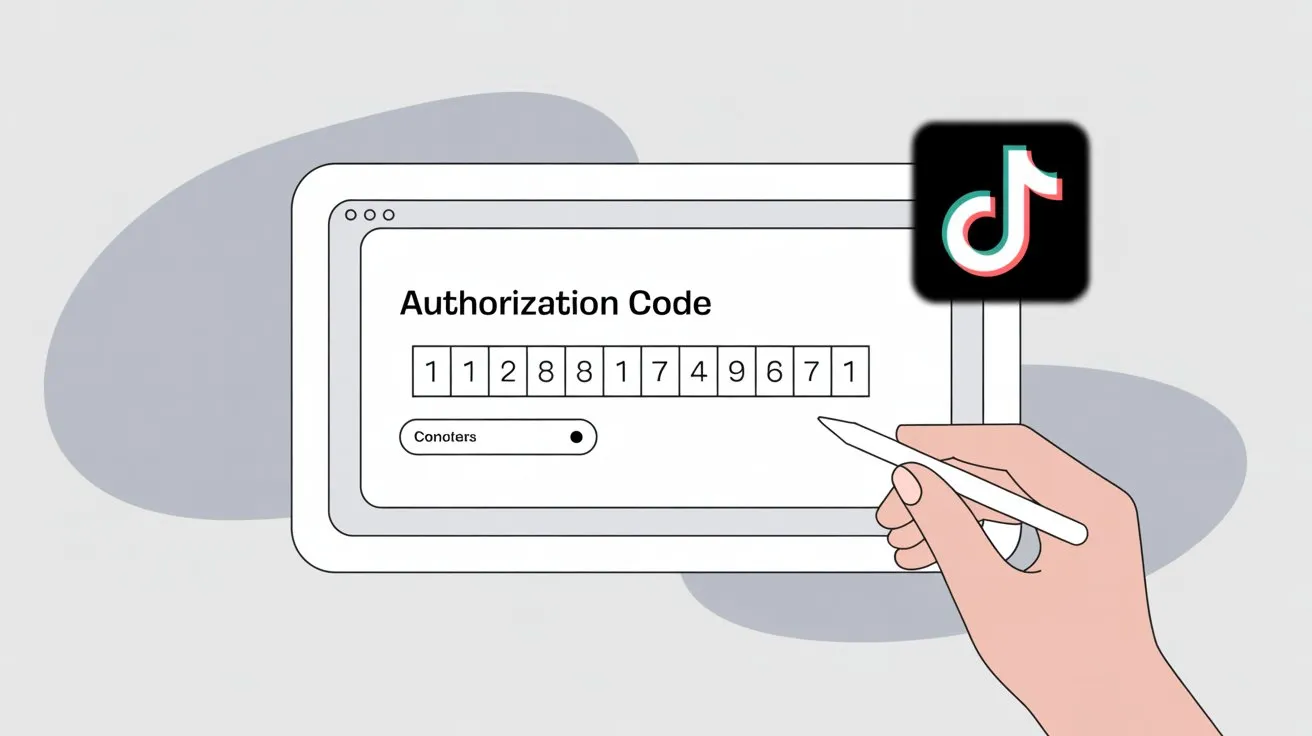
In the current manual/search selection drawer, use TikTok posts and Add post for new codes. TikTok documents batch authorisation of up to twenty video codes and shows the authorisation period beneath each post.
④ Set up your Spark Ad with the creator's post
Select the eligible authorised TikTok post, confirm its identity, and complete the supported ad details, destination and optional tracking fields for that campaign.
The ad will display as coming from the creator's TikTok account (their profile name and picture). From the viewer's perspective, it looks like the creator is running an ad with your product. In reality, you're paying for it and targeting it, but it's delivered through the creator's identity.
⑤ Launch and coordinate
Once you launch, monitor performance and engagement. Comments will appear on the creator's original post, so work out with the creator if you (or they) will handle responding.
Campaign continuity depends on authorisation and post eligibility. TikTok says a video needs to be unauthorised as a Spark ad before deletion from the organic account. Review the post’s status and permissions rather than assuming every owner can delete it immediately during promotion.
How to Manage Multiple Creator Spark Ads Efficiently
If you're running Spark Ads with multiple influencers or managing large-scale creator partnerships, manually entering codes and settings for each campaign becomes a bottleneck.
Tools like AdManage simplify this by letting you batch-authorize codes and manage all campaign settings in one interface. You toggle into "Partnership/Spark Ads" mode, paste the codes, and handle targeting, budgets, and naming conventions in bulk. This is useful for agencies running dozens of Spark Ads simultaneously, where consistency and speed directly impact results.
A Spark Authorisation Checklist for Brands and Creators
Keep a record of the creator or owned identity, post identifier, selected advertiser account, authorisation method, expiry, intended markets, approved content and the person responsible for changes. Store codes with appropriate access rather than in a public creative brief.
Before publication, compare the actual post and ad preview with the approved content. Confirm the caption, audio, CTA, destination and selected tracking. After publication, retain the resulting IDs and check review and delivery status. Authorisation is not a guarantee of approval or profitable delivery.
Best Practices: How to Make Your Spark Ads Perform Better
Spark Ads won't rescue bad content. The format amplifies what's already working. Focus on these strategies to maximize performance.
How to Choose Which TikTok Posts to Boost with Spark Ads
Analyze your TikTok organic posts to find ones with high view counts, engagement rate, or shares. These are your prime candidates for boosting. If you don't have strong organic content yet, create new videos optimized for TikTok's style and test them organically before putting ad budget behind them.
Spark Ads work best when you're amplifying a proven winner.
TikTok's mantra is "Don't make ads, make TikToks." The more your ad feels like a TikTok (because it originally was one), the better it will perform.
This applies to creator content too. Choose creators whose style, tone, and audience align with your brand. Pick content that already hooks viewers within the first few seconds. You're not creating new creative here; you're scaling what works (a fundamental principle of high-volume creative testing).
Why Authentic TikTok Content Outperforms Polished Ads

TikTok users value authenticity, humor, and creativity over production quality. The best Spark Ads feel like genuine content from a friend or favorite creator, not a polished advertisement.
Industry analysis of top-performing Spark Ads found that almost all had a lighthearted, positive tone and emotionally appealing storytelling. Aim for uplifting, fun, or relatable content. Avoid overly scripted messaging or traditional "ad speak."
Feature real people if you can (creators, customers, employees), speaking directly to the camera or sharing real experiences. Many successful Spark Ads "break the fourth wall" by having the person in the video talk to the audience as if FaceTiming a friend. This format creates a personal connection that drives trust and engagement.
How to Use Trending Sounds and Effects in Your Spark Ads
Use audio that is suitable for the intended commercial advertising use. A sound being popular or available in an organic post does not by itself establish its eligibility for the planned ad.
TikTok’s Spark creative guidance points to the Commercial Music Library. Confirm the actual audio source and permitted use before asking a creator to finalise a post for promotion.
Similarly, incorporate TikTok effects or editing styles that are trending (transitions, text overlays, jump cuts) to make the ad feel current. Timeliness beats perfection on TikTok. If there's a trend relevant to your audience, adapt it quickly into a Spark Ad while people are still interested.
What's the Best Video Length for Spark Ads on TikTok?
Ad performance typically drops if you don't hook viewers in the first 2-3 seconds. Choose (or edit) Spark Ad videos to have an immediate hook: a bold statement, a visually interesting scene, movement in the first second, or text on screen that teases something intriguing.
Many effective TikTok ads are 15-30 seconds long. If using an existing post, consider whether the intro is snappy enough. If not, that might not be the best post to boost.
Prepare a clear, placement-appropriate source and review the actual format validation. Do not apply one 720p or duration rule to every Spark Pull, Push and buying product.
How to Optimize Spark Ads with Text Overlays and Interactive Elements
Enhance content with text overlays or captions to reinforce your message, since many users watch with sound off. TikTok's style encourages on-screen text to emphasize points or add humor. Keep it concise and easy to read (ideally fewer than 5 words on screen at once) and sync it with the visuals.
Use only add-ons and interactive elements supported by the selected format and workflow. A sticker in a source post does not establish that every paid add-on is available or improves delivery.
What Call-to-Action Works Best for Spark Ads?
While the content should feel organic, you do have the ability to add a CTA button. Use it wisely. Ensure the CTA text matches your goal (e.g., "Download Now" for an app, "Shop Now" for product purchase) and that the landing page is mobile-optimized and relevant to the ad.
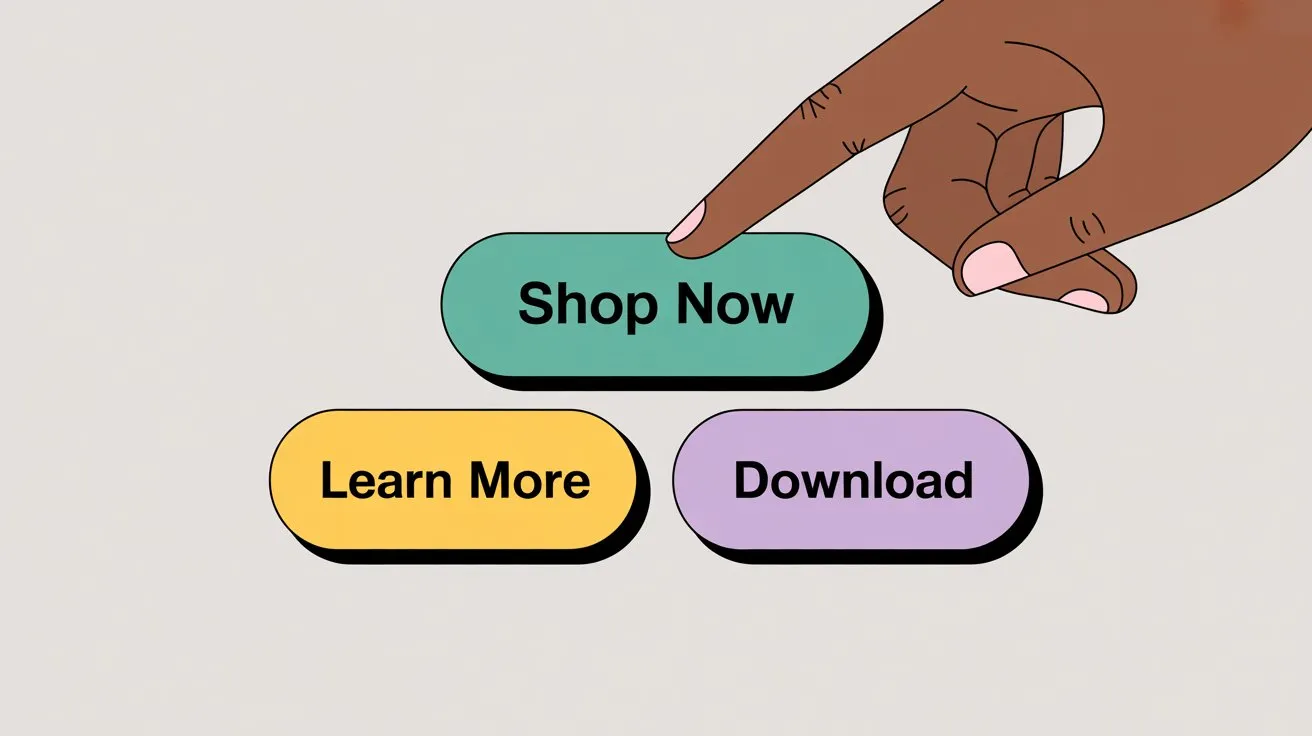
In the Spark ad's caption or in the video itself, you can also verbally or textually prompt the action (e.g., a creator saying "Check out the link for a discount!" or a text overlay like "👉 Tap 'Learn More' to get 50% off"). This can improve your click-through rate.
TikTok users won't be surprised by a CTA in an ad, as long as the content was enjoyable. But they do need a nudge on why they should click it. Combine social proof with a value-focused CTA to drive conversions.
Should You Test Regular TikTok Ads Before Running Spark Ads?
The most sophisticated TikTok marketers use a hybrid strategy. They don't rely exclusively on Spark Ads or regular ads. They use each format's strengths.
For example, you might run regular (dark) ads initially to test a variety of creatives or messages quickly, since you can iterate without posting on your profile. Once you identify a top performer (the concept or style that gets the best conversion rate), turn that into an organic TikTok post on your profile and boost it as a Spark Ad to scale up with social proof.
This way you aren't spending big dollars until you know what works. And when you do spend big, you're also building your TikTok presence. Use TikTok's analytics and A/B testing tools to gauge performance. Over time, you'll identify patterns (certain types of content consistently work better as Spark Ads) and focus your efforts there.
For teams running hundreds of ad variations, this test-and-scale methodology becomes the foundation of sustainable performance growth.
How to Launch Spark Ads at Scale Using AdManage
If you're running dozens or hundreds of TikTok ad variations, manually setting up each Spark Ad in TikTok's native interface becomes a time sink. This is where bulk-launch tools like AdManage make a difference.
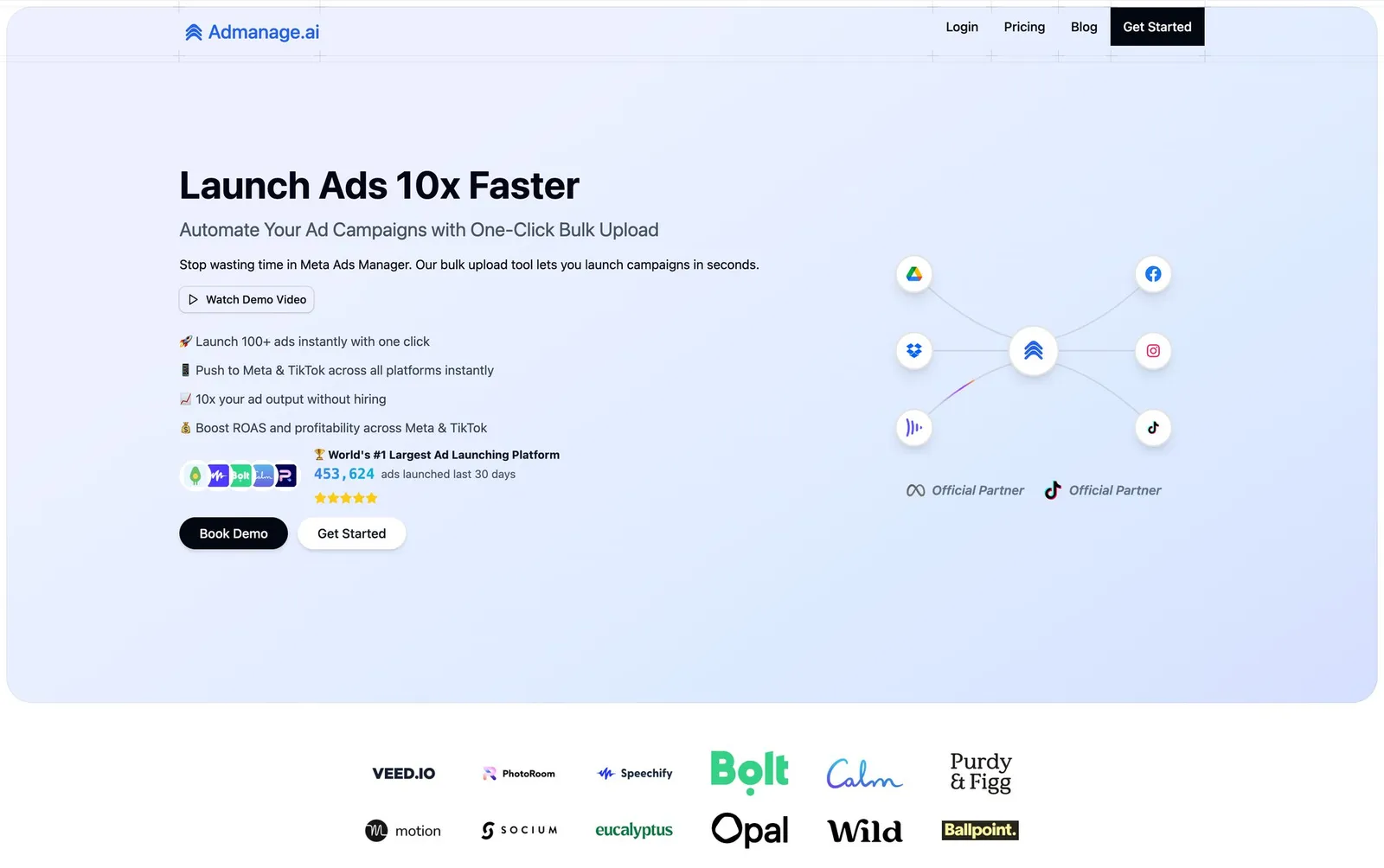
AdManage was built specifically for performance marketers who need to launch and test high volumes of ad variations without spending hours on repetitive configuration. For Spark Ads, this means you can:
AdManage Features That Make Spark Ads Easier to Manage
→ Bulk-launch with Spark codes: Instead of entering each creator's authorization code individually, AdManage lets you toggle into "Partnership/Spark Ads" mode and paste codes in bulk. You can batch-authorize up to 20 codes at once (TikTok's limit), then manage all campaign settings (naming conventions, UTMs, targeting, budgets) from one interface.
→ Reuse eligible post identities where supported, then check the destination ad and authorisation. A bulk tool does not remove expiry, permission or format restrictions.
→ Standardize workflows across platforms: If you're also running whitelisted ads on Meta (Facebook/Instagram using Post IDs), AdManage handles both platforms in the same bulk-launch workflow. You can manage TikTok Spark Ads and Facebook whitelisted ads side-by-side, applying consistent naming, UTM rules, and creative grouping across both. Learn more about using Google Sheets to manage Meta Ads for streamlined cross-platform operations.
Time-savings calculators use assumptions rather than measuring every advertiser's labor. For illustration, 1,000 ads at 10 minutes of manual setup each represent 166.7 hours; the time actually saved depends on the work your team still performs. Use current calculator inputs, your own timings and labor cost before judging a subscription's value.
→ Dashboard visibility and reporting: After launch, AdManage provides dashboards for creative performance and auditing. You can quickly identify which Spark Ads are driving the best results (CTR, CPA, engagement) and scale those while pausing underperformers. The reporting also shows time saved and ad-ops efficiency metrics, so you can quantify the impact of automation.
For agencies managing multiple clients or brands running influencer partnerships at scale, tools like AdManage turn Spark Ads from a manual headache into a repeatable, efficient process. You focus on strategy and creative selection. The platform handles the repetitive execution.
If you're launching fewer than a few dozen Spark Ads per month, TikTok's native Ads Manager might be sufficient. But if your strategy involves high-volume creative testing, multi-creator campaigns, or cross-platform management, AdManage eliminates the bottlenecks that slow down scale.
Why AdManage Works So Well for TikTok Spark Ads and Creator Partnerships
Most ad-ops tools either focus on optimization algorithms (trying to outsmart the platform's algorithm) or bundle everything into expensive enterprise suites. AdManage takes a different approach: it accelerates the execution layer. It's built for performance marketers who understand that success on TikTok comes from creative volume, rapid testing, and preserving what works.
AdManage integrates directly with Spark Ads workflows in several key ways:
Post ID and Spark Code Preservation: When you find a winning creative (whether it's a TikTok Spark Ad or a Facebook whitelisted post), AdManage lets you scale it while preserving the original post identity. This means all the likes, comments, and shares continue to accumulate on the same post, maximizing social proof. The platform has support for using Post IDs and Creative IDs for existing ads, which aligns perfectly with the Spark Ads model.
Use the supported Spark input and launch controls, and inspect the resulting identity, authorisation and item results. Do not assume a mode label eliminates every configuration or copy-paste error.
Templates can help keep supported CTA, destination, tracking and naming fields consistent. They do not make a pulled authorised caption editable.
Multi-Platform, Multi-Format Support: AdManage pushes the same asset set to Meta and TikTok, auto-groups creatives by aspect ratio, and launches as paused for review. If you're running Spark Ads on TikTok and whitelisted ads on Facebook, you manage both from one interface. This cross-platform capability matters because most performance marketers aren't optimizing TikTok in isolation. They're running integrated campaigns across channels, and AdManage treats that as the default workflow.

Naming, UTM, and Defaults Enforcement: Spark Ads still need proper tracking (UTMs, campaign naming conventions). AdManage enforces account-level UTM rules and dynamic naming conventions, so every Spark Ad you launch follows your schema. This prevents the tracking mess that happens when you're manually creating hundreds of ads and inevitably make typos or skip parameters.
AdManage's live platform statistics show current launch activity. Rolling totals change, so check the live page for current figures. Any hours-saved total is an estimate based on a manual-work assumption, rather than measured labor saved for every advertiser.
Pricing Aligned with Volume: AdManage's pricing is fixed-fee (£499.99 per month for in-house, £999.99 for agencies, enterprise on request). There's no ad-spend tax. If you're spending 50,000 per month on TikTok Spark Ads, you pay the same as someone spending 5,000. This aligns incentives correctly: AdManage benefits when you launch more ads and test more creatives, not when you increase spend on the same creatives. Use their Facebook ad cost calculator to model your potential ROI.
Integration with Existing Workflows: AdManage integrates with Google Sheets (via Add-on), Google Drive, Zapier, and Make.com. If your creative approval process involves spreadsheets or your asset management lives in Drive, AdManage connects directly. For Spark Ads specifically, this means you can maintain a spreadsheet of creator codes, authorization dates, and campaign details, then launch directly from Sheets without jumping between tools. The platform also integrates with Frame.io for seamless creative workflow management.
The Complete AdManage Workflow for Scaling Spark Ads
If you're serious about scaling Spark Ads (or TikTok advertising in general), the workflow looks like this:
① Create or source high-quality TikTok content (organic posts, creator partnerships).
② Test it organically to identify winners (or use data from previous campaigns).
③ Authorize the best posts as Spark Ads (generate codes for creator content).
④ Use AdManage to bulk-launch Spark Ads with proper naming, UTMs, and targeting.
⑤ Monitor performance via AdManage's dashboards and TikTok's native analytics.
⑥ Scale winners by increasing budget or expanding targeting while preserving the original post ID.
⑦ Iterate quickly by launching new Spark Ads as new content proves itself.
This cycle is what separates brands that occasionally run a successful TikTok campaign from brands that consistently generate ROI from the platform. The limiting factor is usually execution speed, not creative ideas. AdManage removes that bottleneck.
Common Questions About TikTok Spark Ads (FAQ)
Do I need a TikTok Business Account to run Spark Ads?
You need an authorised advertiser setup and an eligible TikTok identity/source post for the chosen workflow. Your own linked account, an authorised creator identity and a creator post code are different source methods; review the current guide for the intended campaign.
Will people know it's an ad?
Review the actual advertising presentation and disclosure requirements. Using a creator’s identity does not mean the promotion is hidden or no longer an ad.
Always follow TikTok's guidelines for sponsored content disclosure. If a creator's post is used as an ad, it should be marked as branded content. The native format makes Spark Ads feel more organic and less intrusive than typical ads.
What happens if the original post owner edits or deletes the TikTok?
TikTok’s guide says an authorised post caption cannot be edited, private video becomes public when used in a campaign, and privacy cannot change during promotion. Its Spark overview also describes the need to unauthorise before deleting the organic video. Check the source post and current campaign status when troubleshooting.
Record the authorisation expiry and the owner responsible for renewal or changes. Coordinate the post and campaign lifecycle rather than assuming every minor edit or deletion is always possible.
Can I run Spark Ads if I don't have any TikTok posts of my own yet?
Absolutely. You can partner with a creator and use their content, effectively running Spark Ads even if your brand's TikTok profile is new or empty. Many brands that aren't active on TikTok use influencer posts as Spark Ads to test the platform.
Alternatively, you could post a few videos on a new account (even unlisted via Ads Only mode) and use those. Not having any profile presence means you might miss out on the follower growth benefit of Spark Ads. It's usually a good idea to have at least a basic profile set up, because some users will click through out of curiosity when they see your ad.
Are Spark Ads available for all campaign objectives?
The Spark overview lists supported objectives separately for auction and Reach & Frequency buying. Confirm the intended objective, source method and current campaign setup.
The current documentation provides separate manual/search and Smart+ creation guides. Do not infer that every video ad objective or specialised buying product automatically supports the same Spark controls.
Do Spark Ads work with third-party tools and TikTok Marketing Partners?
Yes. If you use third-party tools or official TikTok Marketing Partners (like social ad management platforms), they usually support Spark Ads. The workflow might even be easier. For example, AdManage allows you to input the Spark code and manage everything in one interface.
TikTok's Ads API supports Spark Ads creation, meaning programmatic or bulk tools can use it. Always follow the tool's documentation for the exact steps, as it may simplify some of the manual work.
Should I use Spark Ads for every TikTok campaign?
Not necessarily. Use them when it aligns with your goals. Spark Ads are ideal for brand-oriented campaigns, content amplification, and influencer collaborations where authenticity and engagement are top priorities.
If you have a very specific promotion or A/B test where you need dozens of ad creatives that you don't actually want on your profile (e.g., testing 50 variations of copy or different product shots), regular ads might suit that experiment better.
Evaluate the identity and editing needs for each campaign, and compare qualified outcomes. This guide does not establish that TikTok users or the delivery algorithm universally prefer every Spark ad.
Ready to Scale Your Spark Ads?
Spark Ads connect advertising delivery with an eligible TikTok account and post identity. Choose a supported source path, confirm the content and authorisation, then judge the campaign using the intended business outcome.
If you're running Spark Ads manually right now, you know the workflow can get tedious fast. Juggling creator codes, authorization timelines, campaign settings, and tracking conventions across dozens of ads is error-prone and slow. That's exactly why AdManage exists.
AdManage was built for performance marketers who need to launch and test high volumes of TikTok ads (including Spark Ads) without spending hours on repetitive configuration. You get bulk-launch capabilities, Post ID preservation, partnership/Spark mode for creator content, and cross-platform support for TikTok and Meta. Fixed-fee pricing (£499.99 in-house, £999.99 agency) means you're not penalized for scaling your ad spend.
Whether you're managing influencer partnerships at scale, testing hundreds of creative variations, or just trying to preserve social proof when you boost winning content, AdManage handles the execution layer so you can focus on strategy.
View AdManage’s current plans and see how much time (and budget) you can save by automating your Spark Ads workflow. Or book a demo to see the platform in action with your specific use case. If you're serious about TikTok performance marketing, the execution bottleneck is costing you more than you realize.

Cedric Yarish is a Meta ads expert, performance marketer and product builder with 10+ years of experience across Photoroom, Nextdoor and MVF. At Photoroom, he led user acquisition with more than $1 million in monthly ad spend and a creative operation producing 400 ads a month across 30 languages.
Today, he leads product and engineering at AdManage, the platform he co-founded with his brother Raphael to help marketers launch, test and manage ads at scale. Meta has quoted him on its developer blog and invited him to speak on its Partner API Panel in New York. His insights on creative testing and advertising automation have also featured in RevenueCat and In Growth We Trust.
Full founder bio & interviews